The way we listen to music has completely changed compared to the past. With the emergence of streaming platforms, we can now play tens of millions of songs at our fingertips, and we've entered an era where AI understands our musical preferences to recommend new songs and instantly plays music with the mood we want through voice commands. Major platforms like Spotify, Apple Music, and Amazon Music are innovating user experiences by utilizing AI technology.

Spotify's AI Recommendations and Interactive DJ
Spotify is famous for its music recommendation algorithm. The curation feature that automatically creates playlists based on users' tastes by analyzing the songs they listen to is considered overwhelming even when compared to other platforms.
In May 2025, the AI DJ feature received a major upgrade. As users can now directly change genres or moods using voice commands, music listening has evolved from a one-way experience to an interactive one. You can request the music you want through natural conversation, such as "Switch to something more upbeat" or "Play a Dua Lipa song."
The AI DJ function operates as a system that combines natural language processing technology and machine learning-based personalized recommendation algorithms. Based on data built by analyzing not only users' music listening history but also past social media, blogs, search history, and more, it has become possible to precisely understand each individual's mood and preferences.

Currently, the AI DJ feature only works with English voice commands, and the more natural the sentence, the higher the recognition rate. Spotify is shifting its music recommendations from a simple search-based system to an emotion-based interface.
Apple Music's AI Automix and Sing Features
Apple Music has introduced AutoMix feature in iOS 26. This technology goes beyond simply overlapping two songs in a crossfade, as it analyzes audio with AI and then applies time stretching and beat matching effects to seamlessly connect two tracks.
The Sing feature transforms your device into a karaoke machine. It uses AI to partially remove the original singer's voice, allowing the user's voice to stand out.
If Spotify's strength is playlists that combine curators and algorithms, Apple Music is enhancing its increasingly sophisticated personalized music recommendation features by utilizing the audio recognition technology of its subsidiary Shazam to analyze users' listening patterns and surrounding musical environments. Through this, users can easily discover not only songs they frequently listen to but also new tracks similar to music they've heard in their surroundings in real-time.
Amazon Alexa+ Music Integration Experience
Amazon launched Alexa+, a voice recognition assistant with significantly enhanced AI capabilities, in February 2025. Alexa+ can play music from various music services including Amazon Music, Spotify, Apple Music, and iHeartRadio.
Alexa+ has transformed beyond a simple voice assistant into an AI agent. It organically coordinates external AI models such as Anthropic's Claude, Suno's music generation AI, and Amazon's multimodal AI models to provide optimal responses.
Particularly noteworthy is the feature developed through collaboration with AI music generation services, where users can select a genre by voice, add lyrics and sing, and then AI creates a song clip with corrected vocals.
The music playback feature has also been enhanced, finding appropriate songs even with vague descriptions like "emotional ballads from the 90s" when you can't remember specific song titles. It can also learn your lifestyle patterns and automatically set up customized music routines.
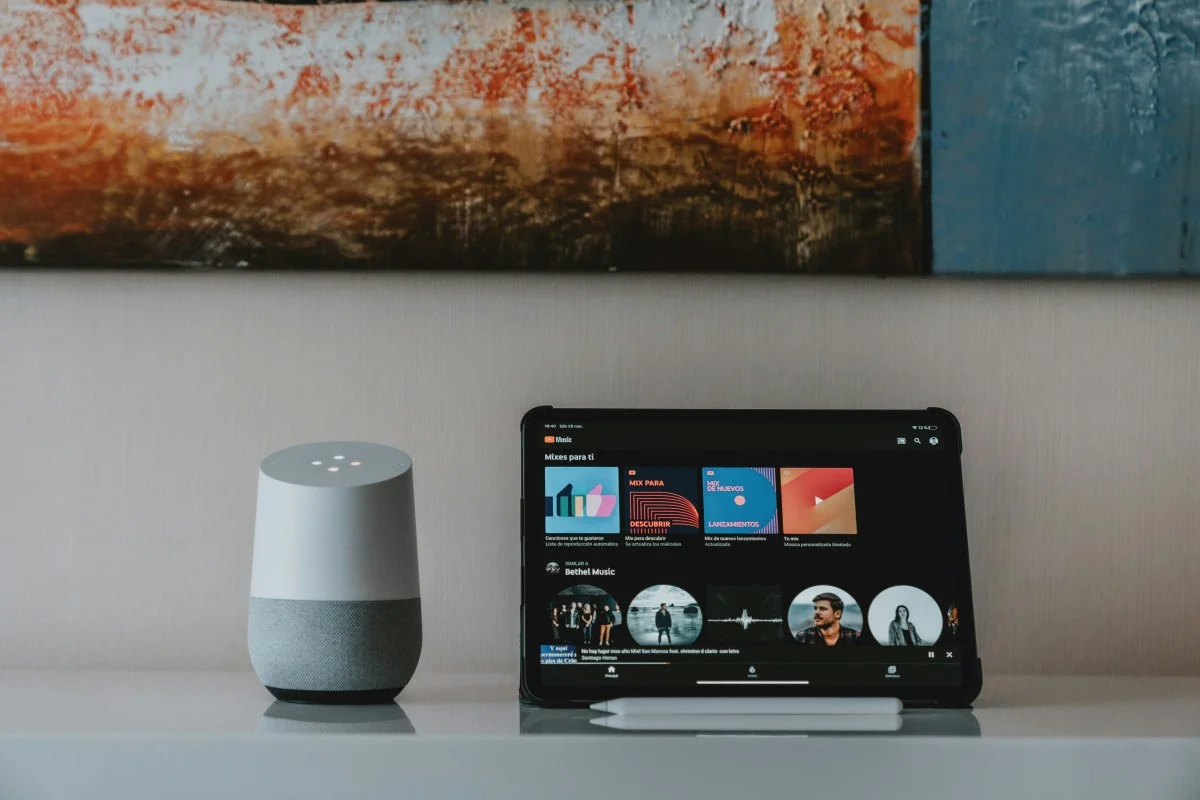
YouTube Music's AI Search and Host Features ChatGPT: YouTube Music's AI Search and Host Features
While being a video platform, YouTube Music is also gaining attention in the music streaming sector. They have introduced an AI-based music search feature that identifies songs when users hum or sing them.
To use this feature, tap the magnifying glass at the top of the YouTube Music app and click the waveform button located next to the microphone icon. When users sing or hum into their device's microphone, AI will select suitable music to complete the playlist.
Additionally, YouTube is testing an AI host for YouTube Music through its AI experimental platform 'YouTube Labs.' This AI aims to enhance the listening experience by providing music-related stories, behind-the-scenes content for fans, and entertaining commentary.
AI music generation features for creators have also been added. Introduced as 'Music Assistant' on YouTube's music licensing platform Creator Music, creators can generate background music by inputting their desired music style as text. The generated music can be used for free without copyright concerns.
Endel, Personalized Soundscapes Generated by AI
Endel is not a traditional streaming service, but a unique form of service as a music playback app with built-in AI music generation capabilities. Rather than playing existing music, it differentiates itself by generating music in real-time based on the user's situation and biorhythms.
Endel is a service that generates soundscapes tailored to the user's activities and environment. It provides music appropriate for various situations such as focus, relaxation, and sleep to enhance the user's daily rhythm. This service is designed based on scientific research, taking into account the effects of music on the body and mind.

Universal Music has partnered with AI music technology startup Endel to produce functional music utilizing artists' IP. It's noteworthy that they're leveraging AI music generation technology while addressing copyright issues through collaboration with a major record label.
Future Outlook
The adoption of AI by streaming platforms is clearly improving the music listening experience. Personalized recommendations are becoming more sophisticated, and voice commands allow users to instantly listen to music that matches their desired mood. Platforms such as Spotify, Apple Music, Amazon, YouTube Music, and Endel are competing with differentiated AI features.
It's fascinating to watch how each platform develops AI technology and what new experiences they will provide to users. The role of AI in the music industry will continue to expand, and the way we listen to and enjoy music will keep evolving.